
At first hearing, the parable of the workers in the vineyard can make us uncomfortable. If we are honest, we may even be tempted to think the landowner was unfair.
Jesus tells us about a landowner who went out early in the morning to hire workers for his vineyard. He hired some at six o’clock, others at nine, others at noon, others at three in the afternoon, and finally, some at five o’clock—just one hour before the workday ended.
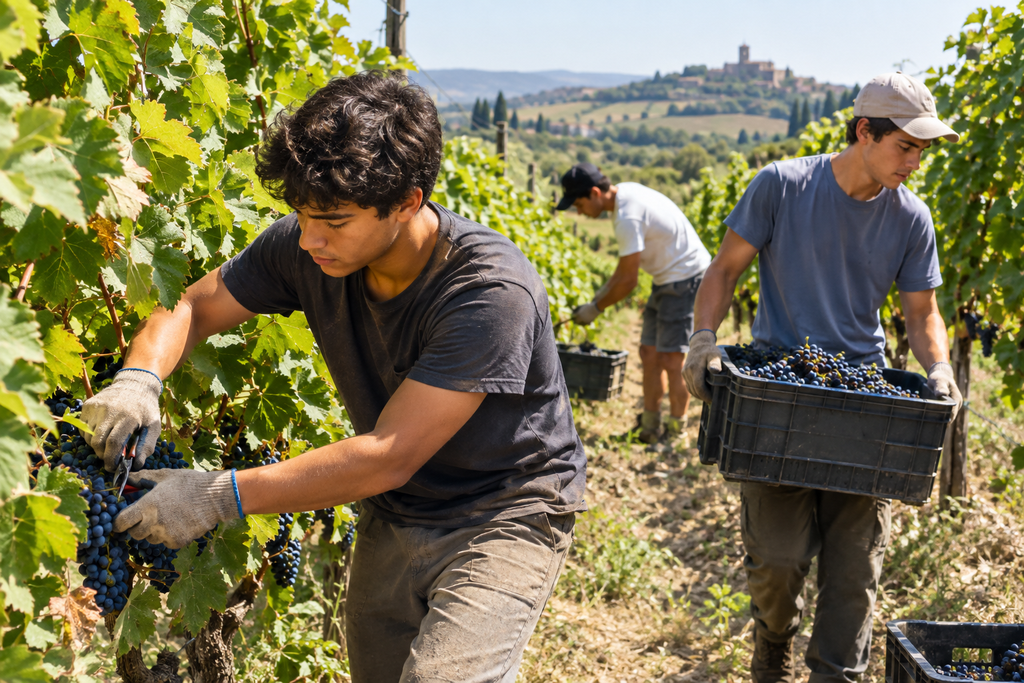
At the end of the day, the landowner instructed his steward to pay the workers. And something surprising happened: those who had worked only one hour received the same wage as those who had worked all day.
Naturally, those who had been working since early morning began to complain. They said, in effect, “We have worked all day in the heat and endured the burden of the work. How can you give us the same as those who worked only one hour?”
From a purely human perspective, we can understand their complaint. We live in a world where rewards are typically measured by effort, time, achievement, and merit. If one person works twelve hours and another works one hour, we expect the first to receive more.
But Jesus is not giving us a lesson in economics or employment policy. He is teaching us about the Kingdom of God.
The ones who complained were those hired first. They were the ones who had carried the burden and heat of the day. They were the ones who had been faithful from the beginning. This gives us something important to reflect on. Where do we see ourselves in this parable?
Let us spiritualize the story, put ourselves in the place of these workers, and decide which group we belong to.
We may be tempted to place ourselves immediately among the workers who arrived early. We may say, “I have been faithful to God. I have been attending Mass. I have been praying. I have tried to live a good Christian life. I have served the Church. I have tried not to hurt anyone.”
But are we as perfect as we sometimes imagine ourselves to be? Have we never disappointed God? Have we never sinned? Have we never made a wrong decision? Have we never hurt another person with our words or actions?
If we are honest with ourselves, we will discover that there have been moments when we, too, have stood outside the vineyard, moments when we have disappointed the Master, moments when we have been the workers of the eleventh hour, and moments when we have received God’s invitation but delayed our response.
Therefore, our question shouldn’t be “Why did God give them the same wage?” but “Why has God been so merciful to me?” and we shouldn’t complain that God is generous to someone else, but rejoice that the same generosity has been extended to me.
If someone returns to God after years away, I should not say, “How can God forgive that person?” Instead, I should say, “Thank you, Lord, because if You can forgive that person, You are merciful enough to extend the same mercy to me.”
The workers who came early were not entirely wrong, as they worked all day. Their mistake was allowing their faithfulness to become a source of resentment. They began comparing themselves with others, which is a dangerous thing to do in the spiritual life.
The moment we open ourselves to the spirit of comparison, we forget something essential: that everything we have received from God is itself a gift of grace. Even our ability to remain faithful is a gift. We did not earn God’s calling in the first place. Is he not allowed to do whatever he chooses with what belongs to him?
Instead of complaining, let us heed the voice of the prophet Isaiah in our first reading: “Seek the Lord while he may be found, call upon him while he is near. Let the wicked forsake his way, and the unrighteous person his thoughts; let him return to the Lord, that he may have mercy on him.”
That is the invitation before us today. Amen.