
“Anger and wrath, these are abominations, yet sinners hold on to them.” These are the opening words of our first reading today, and they immediately draw our attention to an important human reality: anger, wrath, resentment, and the difficulty of forgiving those who hurt us. The readings invite us to look honestly at these emotions and, more importantly, to learn from Jesus how to handle them in a healthy, Christian way.
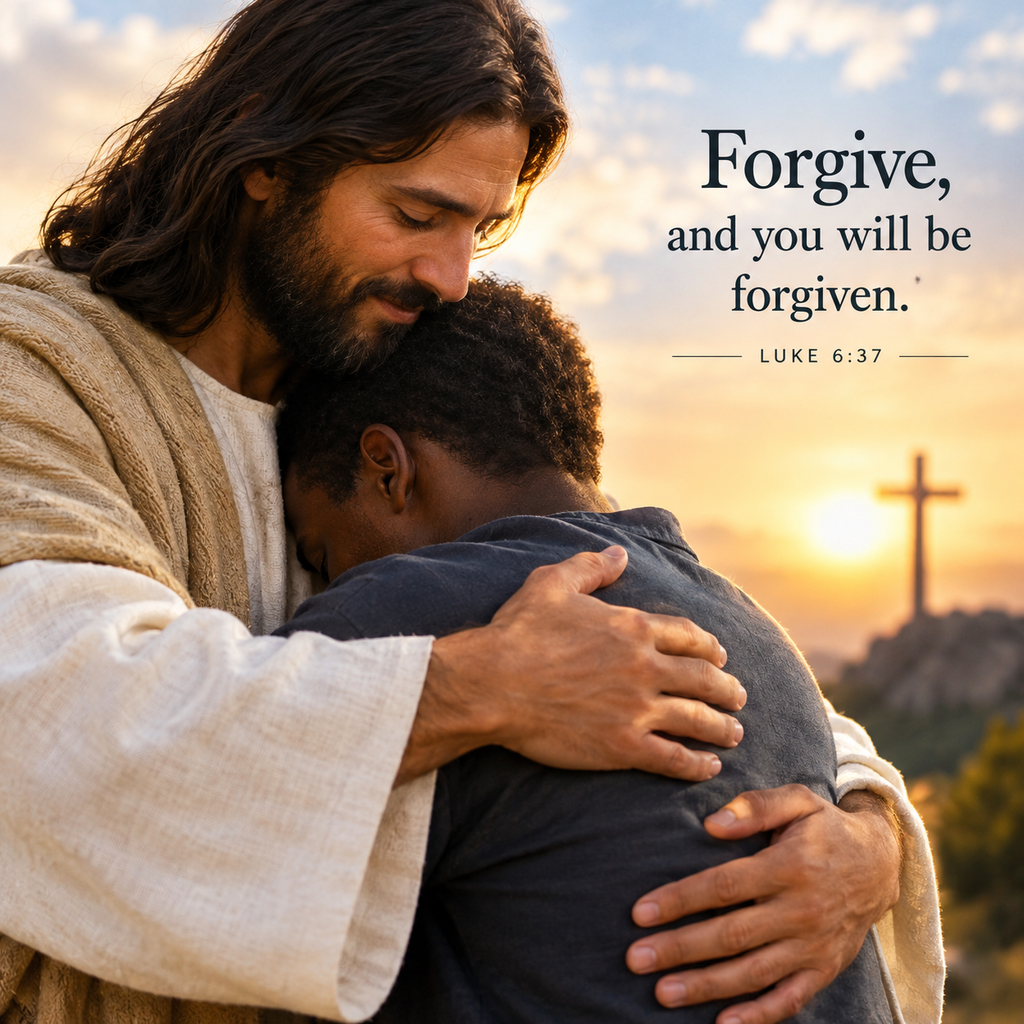
In the Gospel, Peter approaches Jesus with a question many of us have asked in one form or another: “Lord, if my brother or sister sins against me, how often should I forgive? As many as seven times?”
Peter probably thought he was being very generous. Seven times is a lot! Perhaps he expected Jesus to say, “Yes, Peter, seven times is more than enough.” But Jesus surprises him with, “Not seven times, but seventy-seven times.”
In other words, Jesus is not asking us to keep a tally of how many times we have forgiven someone. He is teaching us that forgiveness cannot be limited by a number. Forgiveness must become a way of life for the Christian.
It is certainly a hard teaching. But perhaps we can understand it better if we first understand something about anger.
From a psychological perspective, anger is a natural human emotion. We become angry when we feel violated or unfairly treated. Anger, in itself, is not necessarily sinful. This is important because we sometimes mistakenly believe that being a Christian means we should never become angry. But that is not what Scripture teaches.
Jesus himself experienced anger. In Mark 3:5, Jesus looked at the people with anger because of the hardness of their hearts. Scripture also frequently describes God becoming angry in response to sin and injustice. This is what we often call righteous anger—anger directed against evil, sin, and injustice rather than hatred of the person.
This brings us back to our first reading, “Anger and wrath, these are abominations, yet sinners hold on to them.”
Notice the important expression: “hold on to them.” There is a difference between feeling anger and holding on to it.
You may become angry because someone has hurt you. That is human. You may feel disappointed because someone has betrayed your trust. That is understandable. But when we nurture resentment and refuse to let go, anger can gradually turn into bitterness. And bitterness can imprison us.
Sometimes the person who hurt us has moved on with their life, while we continue to carry the wound. The other person may even have forgotten what happened, but we continue to relive it. In that situation, the person who offended us may no longer be directly controlling our life, but our resentment keeps giving the offence power over us.
This is why forgiveness is so important. Yes, God is not asking us never to be angry. Rather, God asks us not to let anger become our master.
Forgiveness does not mean we pretend the wrong never happened. It does not mean we approve of evil. It does not mean we excuse abusive or destructive behaviour. And it does not mean we must immediately restore the same level of trust that existed before the offence. It means we refuse to allow the wrong done to us to determine the kind of person we become.
Forgiveness, first of all, is something that happens between us and God. We surrender our anger and desire for revenge to God and, in effect, say, “Lord, I will not carry this burden forever. I place it in your hands.” It does not mean there are no consequences for wrongdoing.
Jesus himself gives us a process for dealing with wrongdoing. In the Gospel tradition, when someone sins against us, we are encouraged to address the matter directly first. If the person refuses to listen, others may be brought into the process. The point is not to ignore wrongdoing but to seek truth and correction.
Forgiveness and reconciliation, therefore, are not the same thing. Forgiveness can take place in one person’s heart. I may forgive you even if you have not apologized. But reconciliation may have to wait until there is repentance, honesty, healing, and a willingness on both sides to rebuild the relationship.
This distinction is very important because sometimes we say, “I cannot forgive because the person has not apologized.” However, forgiveness does not have to wait for the other person.
If we make our peace entirely dependent on another person’s apology, we give that person control over our peace. Jesus invites us to take that burden to God.
Forgiveness is ultimately about freedom. When we forgive, we are not doing the offender a favour alone. In many ways, we are also freeing ourselves. It frees us from constantly reliving the past. It frees us from bitterness. It frees us from the desire for revenge. It frees our hearts to love again. It allows us to move forward rather than remain emotionally imprisoned by what happened yesterday.
We pray today that our hearts become like the heart of Christ—a heart that does not hold on to anger but makes room for mercy, forgiveness, and peace.
Amen.