The word charism, derived from the Greek charisma, meaning “grace” or “favour,” refers to a spiritual gift given by God for the building up of the Church. In the context of a religious Order or congregation, a charism is the distinctive spiritual identity that shapes its mission, prayer, and way of life. It is the particular way in which a community embodies the Gospel and serves the wider world.
The Augustinian charism is beautifully expressed in the opening chapter of the Rule of St. Augustine: “The main purpose for you having come together is to live harmoniously in your house, intent upon God in oneness of mind and heart.” This statement is not merely an instruction about communal living; it is a profound spiritual vision. It calls for a unity that is both interior and exterior—a harmony rooted not in convenience or similarity, but in a shared pursuit of God. This vision draws its inspiration from the life of the early Christian community described in Acts 2:44–45, where believers held all things in common and lived in deep fellowship with one another.
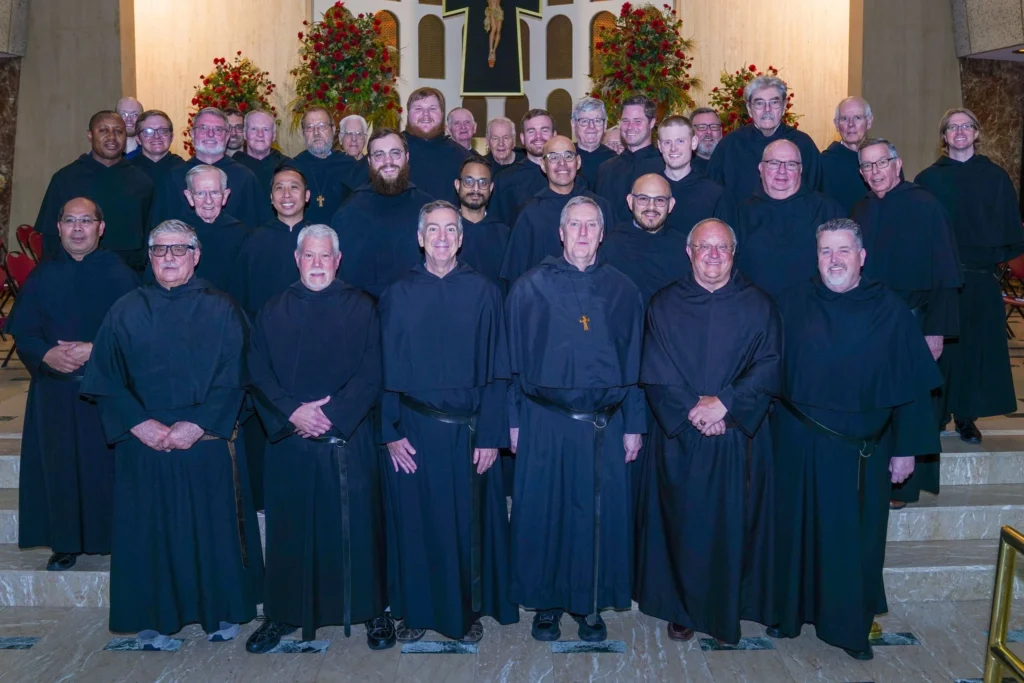
While it is true that many religious Orders and congregations value and practice community life, the Augustinian tradition places it at the very center of its identity. For Augustinians, community is not simply a structure that supports prayer or ministry; it is itself the primary witness and mission. To live “of one mind and one heart in God” is both the means and the goal of the Augustinian vocation.
This charism is especially relevant in today’s world, which is often marked by division, polarization, and an overemphasis on differences. In many societies, what separates people—whether cultural, political, or ideological—tends to overshadow what unites them. The Augustinian way offers a countercultural witness: it reminds us that our deepest identity is found not in our differences, but in our shared relationship with God.
Importantly, Augustinian community life does not require the deletion of individuality. Differences in background, culture, personality, and perspective are not suppressed; rather, they are embraced and integrated. The community becomes something like a living mosaic or a melting pot, where diversity enriches rather than divides. In this way, differences are transformed into strengths, contributing to a richer and more dynamic expression of unity.
Such a community becomes a sign of hope—a visible proclamation that peace, unity, and genuine communion are still possible in a fractured world. By striving to live together in mutual love, respect, and a shared longing for God, Augustinians bear witness to the Kingdom of God, where all are one in Christ.